The flieger layout
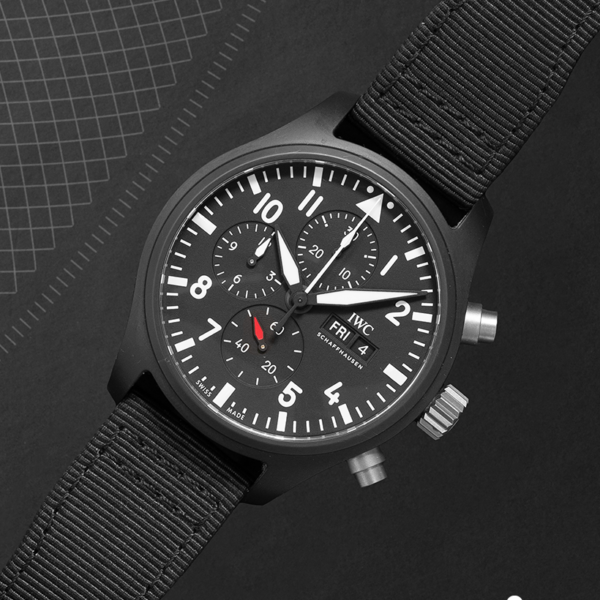
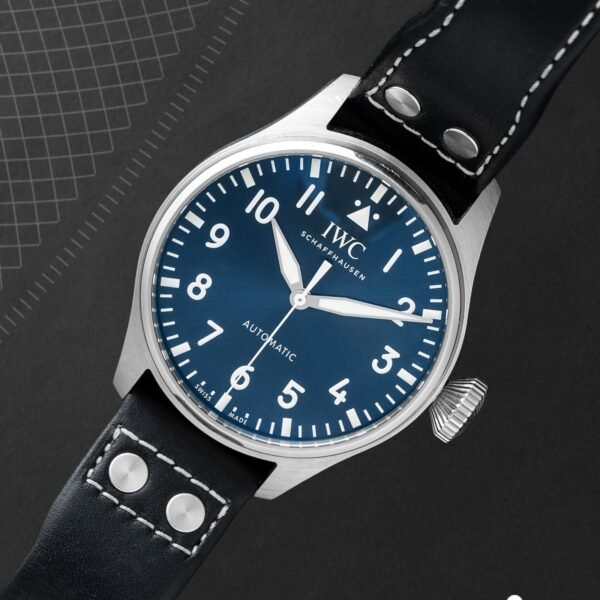
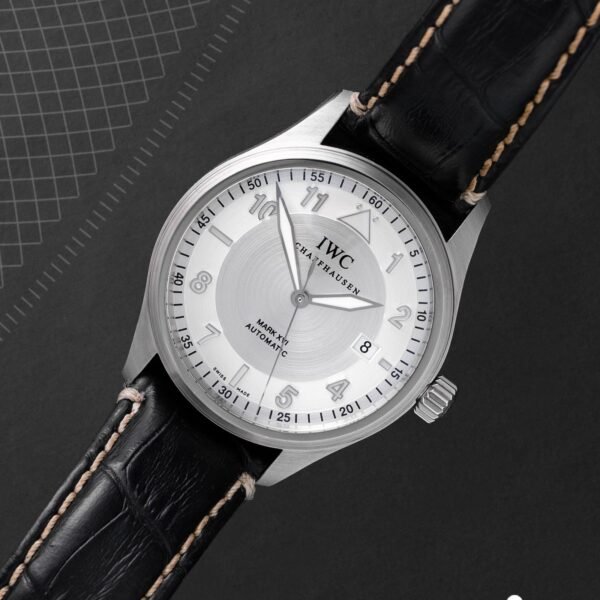
The classic observer's dial puts a triangle at twelve with two flanking dots, so orientation is instant even at an angle. Type A dials show only hours; Type B dials put the minutes on the outer track, because for navigation the minute reading mattered most.
Antimagnetism
Aircraft cockpits are electrically noisy, so pilot watches often carry a soft-iron inner cage that shunts magnetic fields around the movement. A magnetised watch runs fast — often minutes per day — and is trivially fixed by a watchmaker with a demagnetiser.
Slide-rule bezels
A rotating slide rule performs multiplication, division, fuel-burn and unit conversion. It is genuinely usable once learned, and the printing wears with the bezel, so check the scale is crisp before buying.
Sizing
Historic flieger watches were 55 mm because they were strapped over a flight jacket. Modern versions between 40 and 44 mm keep the proportions without the absurdity. Check lug-to-lug rather than diameter.
How these watches are authenticated
Every watch in this collection is opened and inspected before listing. We verify the calibre against the reference, examine dial printing and lume ageing under magnification, record timing across multiple positions on a calibrated timegrapher, and check bracelet stamping and clasp codes. See Authentication for the full process and our five condition grades.
Buying with confidence
Free insured shipping with signature on delivery, 14-day returns for any reason with a prepaid label, and a 12-month movement warranty on every mechanical watch. Our authenticity guarantee has no expiry. Start with How to Buy if this is your first purchase from us.
Browse related collections
Cross-shop by maker on the brands page, or move between styles: chronographs, dive watches, pilot watches, complications and skeleton and tourbillon watches.