Proportion beats diameter
Thickness and lug-to-lug decide whether a dress watch works. Under about 10 mm thick will slide under any cuff; over 12 mm will catch. A 38 mm case with 46 mm lug-to-lug wears far better on most wrists than a 36 mm case with long, straight lugs.
Hand-wound or automatic
A hand-wound movement lets the case be thinner and gives a cleaner case-back view, which is why most classical dress watches are manual. An automatic adds a rotor and typically two millimetres. Neither keeps better time; it is a question of thickness and ritual.
Dial styles worth knowing
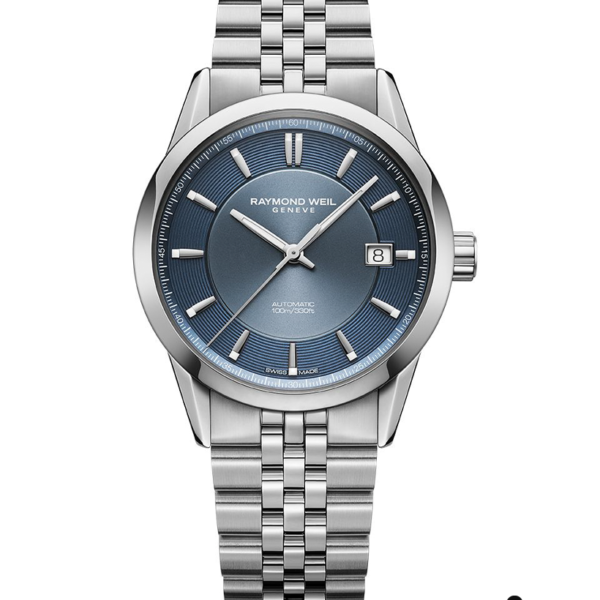
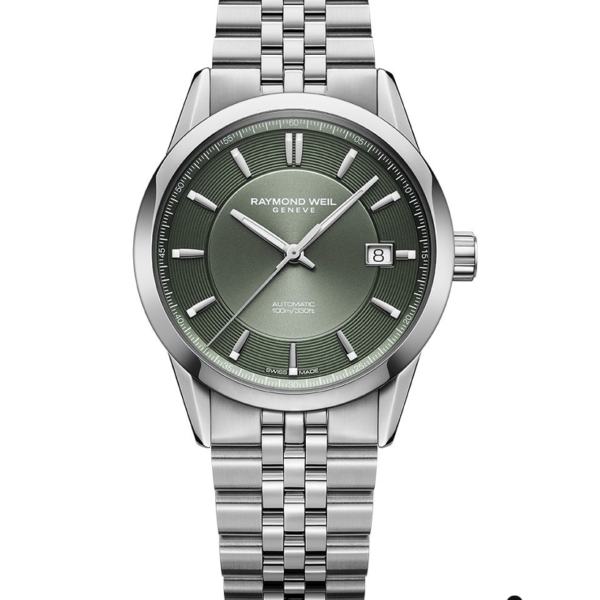
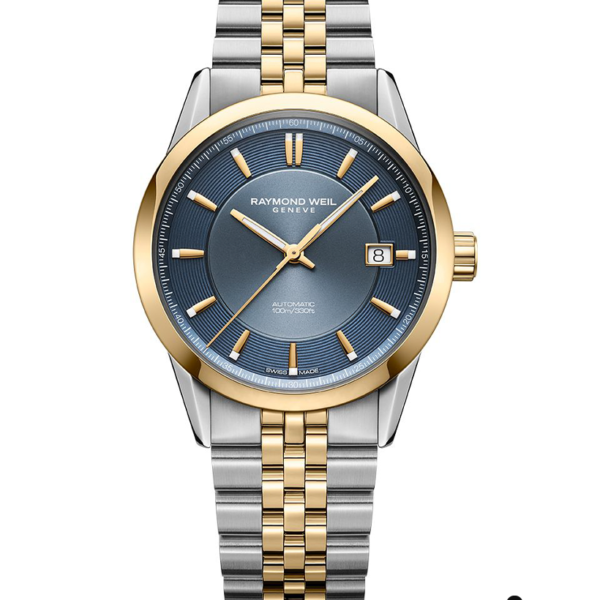
A sector dial divides the dial into concentric printed zones and is the most legible classical layout. An enamel dial is fired glass and will never fade, but it chips. A sunburst finish shifts with light and hides small marks. Each ages differently and each is worth inspecting under angled light before buying.
Condition priorities
On a dress watch the dial is the whole watch, so dial originality outranks case condition here — the reverse of the rule for sports watches. Refinished dials are common and should be priced accordingly.
How these watches are authenticated
Every watch in this collection is opened and inspected before listing. We verify the calibre against the reference, examine dial printing and lume ageing under magnification, record timing across multiple positions on a calibrated timegrapher, and check bracelet stamping and clasp codes. See Authentication for the full process and our five condition grades.
Buying with confidence
Free insured shipping with signature on delivery, 14-day returns for any reason with a prepaid label, and a 12-month movement warranty on every mechanical watch. Our authenticity guarantee has no expiry. Start with How to Buy if this is your first purchase from us.
Browse related collections
Cross-shop by maker on the brands page, or move between styles: chronographs, dive watches, pilot watches, complications and skeleton and tourbillon watches.